Continuous training treats employee learning as an ongoing journey rather than a one-time event, so staff stay relevant as industries and technologies change. It builds resilience, closes skill gaps and improves engagement and retention. Effective programs use customised learning paths, blended formats, frequent assessments and gamification across leadership, technology, soft and industry-specific skills.
What this article covers
- Why Continuous Training Matters
- Key Areas for Continuous Training
Last updated · Bodhih Insights team · reviewed by Siddharthan VGJ, Founder

Why Continuous Training Matters
- Adapting to Change
Industries and technologies are changing faster than ever before. What was relevant yesterday may be outdated tomorrow. Employees need to constantly upgrade their knowledge and skills to stay ahead. Continuous training ensures that employees are prepared to embrace change rather than resist it. - Building a Resilient Workforce
Resilience in the workplace comes from preparation. Through regular training, employees learn how to handle challenges, adapt to crises, and solve complex problems effectively. Resilient employees contribute to a resilient organization. - Fostering Innovation
When employees are encouraged to continuously learn, they bring fresh perspectives and ideas to the table. Training sparks creativity, enabling teams to think outside the box and contribute innovative solutions to organizational challenges. - Closing Skill Gaps
As industries shift, skill gaps naturally emerge. Organizations that prioritize continuous training are better positioned to close these gaps and ensure their workforce is capable of tackling both current and future challenges. - Boosting Employee Engagement and Retention
Employees who feel invested in their professional growth are more likely to stay loyal to their organization. Continuous training shows employees that their development matters, leading to higher job satisfaction and reduced attrition rates.
Key Areas for Continuous Training
- Leadership Development
Even the best leaders can benefit from learning new strategies and techniques. Continuous leadership training ensures that managers and executives remain effective in motivating and guiding their teams. - Technology Skills
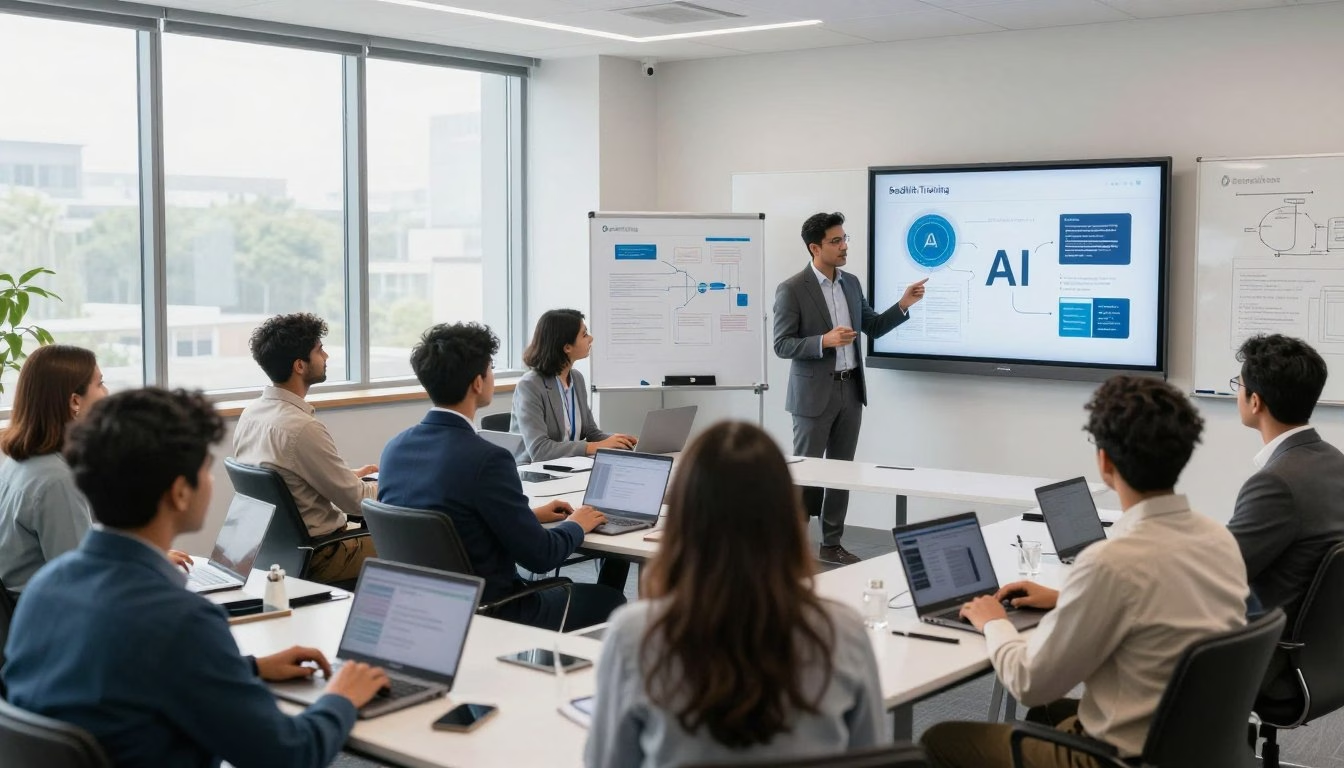
From AI to data analytics, staying tech-savvy is essential in almost every industry. Regularly updating employees on technological advancements keeps organizations at the forefront of their fields. - Soft Skills
Skills like communication, collaboration, and emotional intelligence are timeless. Continuous training in these areas helps employees navigate the complexities of modern workplaces effectively. - Industry-Specific Skills
Each industry has its own trends, tools, and techniques. Providing industry-specific training ensures employees remain competitive and knowledgeable in their roles.
How to Make Continuous Training Effective
- Customized Learning Paths
Tailor training programs to individual roles and career aspirations. One-size-fits-all solutions may not address the unique needs of each employee or department. - Blended Learning Approaches
Combine in-person workshops, online courses, and experiential learning for a well-rounded training experience. Employees should have access to a variety of learning formats to suit their preferences and schedules. - Frequent Assessments
Regularly measure the effectiveness of training programs through assessments and feedback. This helps organizations refine their training strategies and ensure a strong return on investment. - Incorporate Gamification
Make learning engaging by integrating gamification elements like rewards, leaderboards, and interactive scenarios. This boosts participation and retention of knowledge.
Conclusion
Continuous training is no longer optional—it’s a necessity for any organization aiming to maintain a competitive edge in 2025 and beyond. By fostering a culture of learning, organizations not only equip their employees with the skills to excel but also create a workforce that is motivated, innovative, and resilient.
At Bodhih Training, we are committed to helping organizations build this culture of learning. Together, let’s create a future-ready workforce, one training session at a time.
Quick answers
What areas should continuous training cover?
Continuous training usually covers four areas: leadership development for managers and executives, technology skills such as AI and data analytics, soft skills like communication, collaboration and emotional intelligence, and industry-specific skills that keep employees current with the tools and trends of their sector.