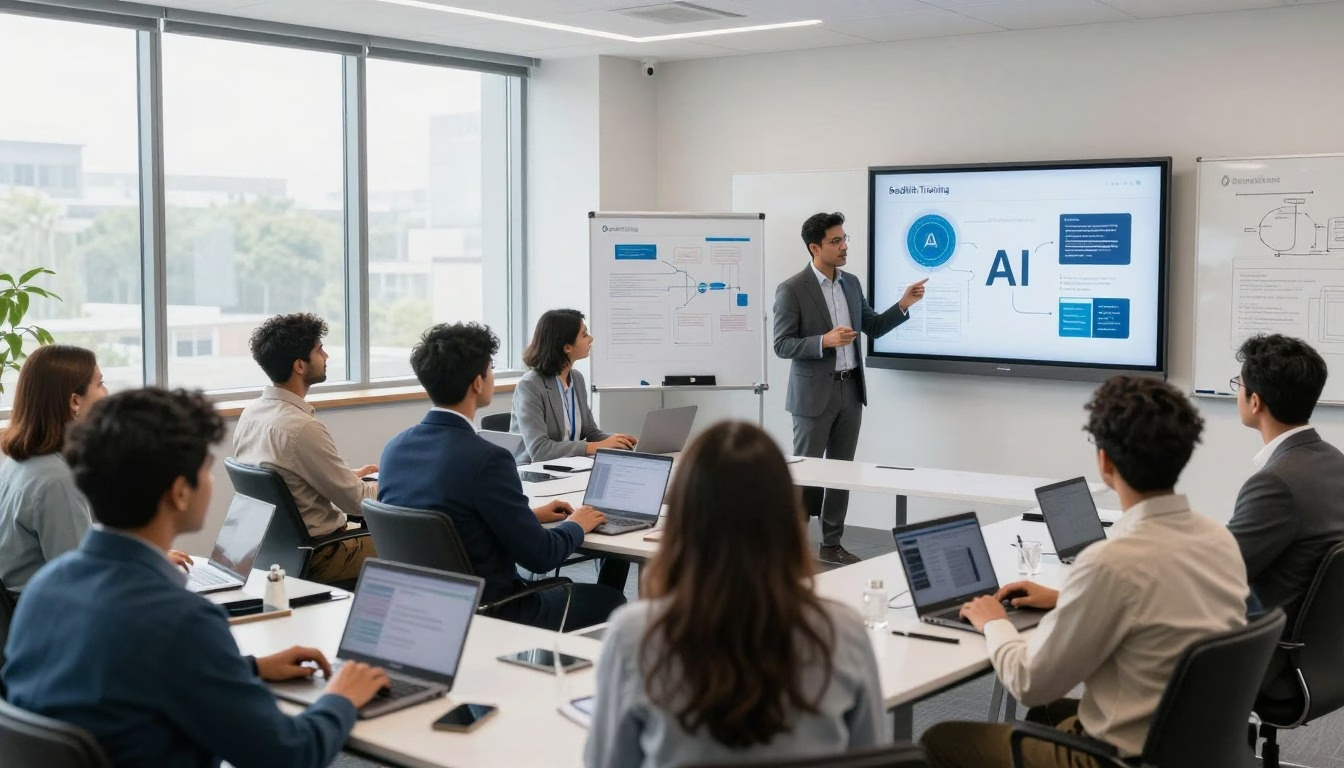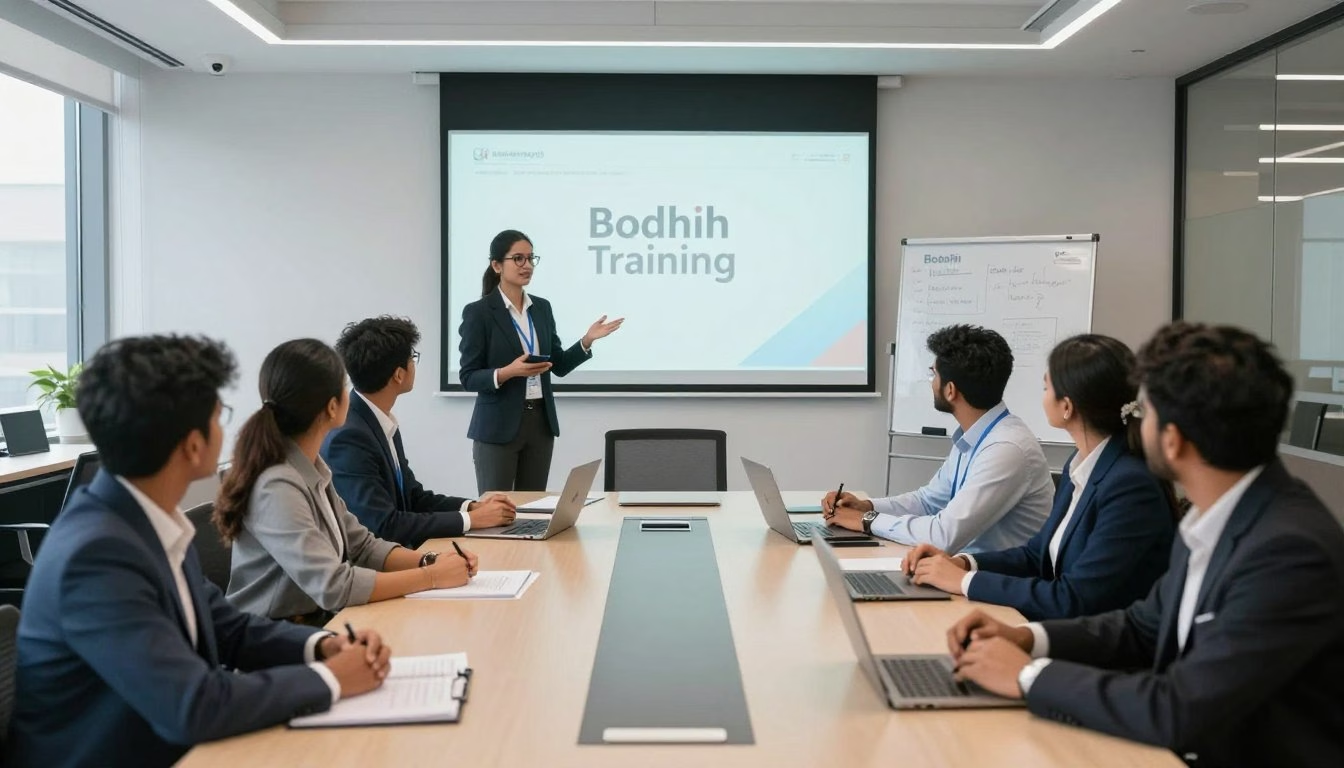
Continuous training is ongoing employee development across every level, department and employment type, and it keeps skills current as roles and technology change. Leaders need decision-making and strategic skills, middle managers need execution and communication skills, and frontline staff need customer service and technical skills. Cross-departmental and digital training add collaboration and technology proficiency.
What this article covers
- Enhancing Leadership Skills
- Empowering Middle Management
- Developing Frontline Employees
- Cross-Departmental Training
- Catering to Different Employment Types
- Adapting to Technological Advancements
Last updated · Bodhih Insights team · reviewed by Siddharthan VGJ, Founder

Enhancing Leadership Skills
Effective leadership is paramount for driving organizational success. Continuous training for leaders ensures they stay updated with the latest management techniques, industry trends, and strategic thinking. Leadership training programs focus on essential skills such as decision-making, conflict resolution, and team management, empowering leaders to guide their teams more effectively and adapt to changing business environments.
Empowering Middle Management
Middle managers act as the bridge between top leadership and frontline employees. Continuous training for this group is vital as it enhances their ability to execute strategies, manage teams, and drive performance. Training programs for middle management often include topics such as project management, communication skills, and performance evaluation, ensuring they can effectively translate organizational goals into actionable plans.
Developing Frontline Employees
Frontline employees are the backbone of any organization. Their skills and knowledge directly impact customer satisfaction and operational efficiency. Continuous training for frontline staff helps them stay updated with the latest industry practices, improves their technical skills, and enhances their ability to deliver exceptional customer service. Training programs for this group often cover areas such as product knowledge, customer interaction, and problem-solving skills.
Cross-Departmental Training
In a corporate environment, collaboration between departments is crucial for achieving organizational goals. Continuous training that encourages cross-departmental learning fosters a culture of collaboration and innovation. Employees gain a broader understanding of the organization’s functions, which improves communication and coordination across departments. For instance, training programs that include marketing, sales, and customer service can help teams work together more effectively to enhance the customer experience.
Catering to Different Employment Types
Whether employees are full-time, part-time, or contract-based, continuous training is essential. For full-time employees, ongoing training supports career development and job satisfaction. Part-time and contract employees benefit from training as it ensures they are aligned with the company’s standards and practices, despite their varied work schedules. Tailored training programs can help integrate all types of employees into the corporate culture, ensuring consistency in performance and quality.
Adapting to Technological Advancements
The rapid pace of technological advancements necessitates continuous training to keep employees proficient in the latest tools and technologies. Training programs focused on digital skills, cybersecurity, and data analytics are essential for maintaining a competitive edge. By investing in technology training, organizations can ensure their workforce is capable of leveraging new technologies to drive innovation and efficiency.
Fostering a Learning Culture
A corporate culture that values continuous learning promotes employee engagement and retention. When employees see that their company invests in their development, they are more likely to feel valued and motivated. This, in turn, leads to higher levels of job satisfaction and loyalty. Training programs that focus on personal development, such as leadership training, emotional intelligence, and stress management, contribute to a holistic approach to employee growth.
Bodhih Training’s Commitment to Continuous Learning
At Bodhih Training, we understand the critical importance of continuous training in today’s corporate world. Our comprehensive training programs are designed to meet the unique needs of employees across all levels, departments, and employment types. Whether it’s leadership development, soft skills enhancement, or technical training, we offer customized solutions that empower organizations to achieve their goals. By partnering with Bodhih Training, companies can ensure their workforce remains skilled, motivated, and ready to tackle future challenges.
Conclusion
Continuous training is no longer a luxury but a necessity for corporate success. By investing in the ongoing development of employees, organizations can enhance performance, foster innovation, and maintain a competitive edge in the market. From leadership to frontline staff, and across all departments and employment types, continuous training plays a pivotal role in driving organizational growth and sustainability.
Quick answers
Should part-time and contract employees receive continuous training?
Yes. Full-time employees benefit through career development and job satisfaction, while part-time and contract employees need ongoing training to stay aligned with company standards and practices despite varied schedules. Tailored programs help integrate every type of employee into the corporate culture.