
360 feedback for managers gathers anonymous input from a manager's peers, direct reports and seniors, showing where their own view of their leadership differs from how others experience it. Results highlight competency gaps and blind spots for personalised development plans. Jobulary360 supports the process with customisable criteria for different managerial roles and repeated assessment cycles.
Key takeaways
- Traditional appraisal systems often fail to drive meaningful behavioural change in leaders.
- Continuous development is essential for aligning individual performance with organisational goals.
- Structured insights provide a holistic view of leadership effectiveness across the business.
- Leveraging modern tools helps organisations realise their full potential through data-driven growth.
- Leadership excellence is a journey that requires consistent, multi-directional input.
Last updated · Bodhih Insights team · reviewed by Siddharthan VGJ, Founder
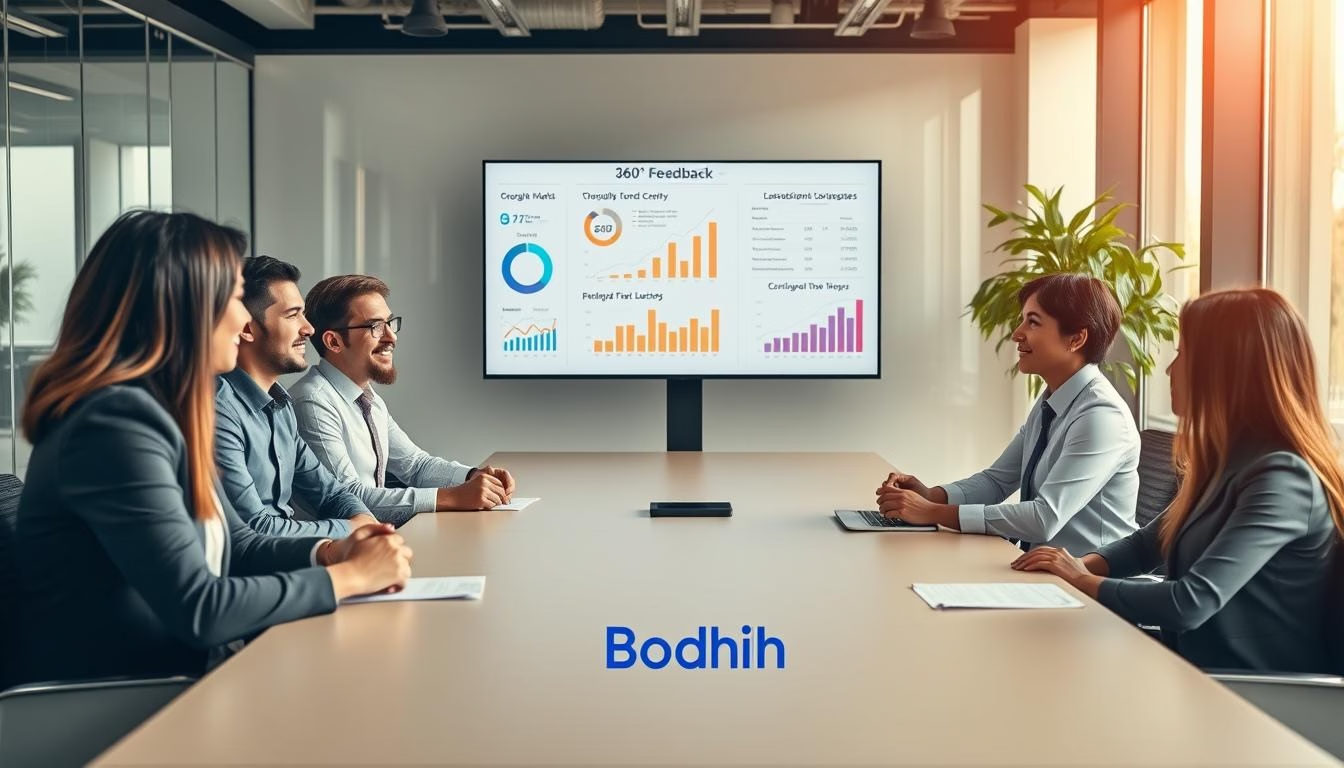
Modern organisations must move beyond periodic reviews to foster genuine professional evolution. By implementing 360 feedback for managers, businesses can align individual performance with broader strategic objectives. This approach transforms leadership development from a chore into a continuous journey toward excellence.
Utilising platforms like Jobulary360 allows firms to capture diverse perspectives and actionable insights. It is time to elevate your internal capabilities and build a culture of sustained improvement.
The Evolution of Leadership Development in the Indian Corporate Landscape
Leadership development in India has reached a critical turning point where traditional metrics no longer suffice. Organisations are increasingly recognising that the complexities of the modern market demand a more nuanced approach to talent management. This transition marks a departure from rigid, top-down structures toward a culture of continuous improvement and professional agility.
Shifting from Traditional Appraisals to Holistic Feedback
For decades, the Indian corporate sector relied heavily on annual, singular appraisal models. These systems often focused on narrow performance indicators that failed to capture the true essence of a leader’s impact. Today, firms are pivoting toward holistic feedback mechanisms that provide a comprehensive view of a manager’s capabilities.
By integrating diverse perspectives, companies can now identify hidden strengths and areas for growth that were previously overlooked. This shift fosters a more transparent environment where professional development is viewed as a collaborative journey rather than a punitive process. It empowers managers to align their personal growth with the broader strategic objectives of the organisation.
Why Modern Managers Require Multi-Dimensional Insights
The modern manager operates in a fast-paced, interconnected ecosystem that requires constant adaptation. Relying on a single source of information is no longer sufficient to navigate these challenges effectively. Multi-dimensional insights allow leaders to understand their influence on team dynamics and overall organisational success with greater clarity.
“Feedback without action is just noise.”
To ensure that assessment data translates into meaningful change, organisations must prioritise systems that integrate these insights into daily operations. Actionable intelligence is the cornerstone of effective leadership development. When managers receive balanced, multi-faceted input, they are better equipped to refine their decision-making and foster a culture of high performance across their teams.
Understanding the Core Mechanics of 360 Feedback for Managers
Organisations frequently struggle to implement performance systems because employees lack clarity on the underlying purpose and process. When staff members do not trust the why or understand the how, they often overlook valuable insights. Implementing 360 feedback for managers requires a transparent approach that aligns individual growth with broader business objectives.
Defining the 360-Degree Assessment Model
The 360-degree model functions as a comprehensive evaluation tool that gathers performance data from multiple perspectives. Unlike traditional top-down reviews, this method incorporates input from peers, direct reports, and supervisors. This circular flow of information provides a holistic view of a leader’s capabilities in the workplace.
By aggregating diverse viewpoints, the model highlights specific strengths and areas for improvement that a manager might otherwise miss. Utilising 360 feedback for managers ensures that development plans are based on objective data rather than isolated opinions. This structured approach transforms raw data into a clear roadmap for professional advancement.
The Role of Anonymity in Encouraging Honest Communication
Psychological safety serves as the foundation for any successful assessment process. When participants fear potential repercussions, the quality of feedback diminishes significantly. Anonymity acts as a vital safeguard, allowing team members to provide candid observations without the risk of bias or conflict.
“True growth is only possible when we are willing to listen to the unfiltered truth about our impact on others.”
Organisations that prioritise confidentiality foster a culture of trust and open dialogue. When managers receive honest input through 360 feedback for managers, they can address blind spots with greater confidence. This commitment to transparency ultimately empowers leaders to refine their management style and drive team performance to new heights.
Key Features of Jobulary360 Reports for Professional Growth
Jobulary360 reports transform raw feedback into a clear roadmap for leadership excellence. By converting subjective observations into objective metrics, these tools empower managers to identify their strengths and areas for improvement with absolute clarity. Data only creates value when it lives where decisions are made, ensuring that every insight serves a practical purpose in the daily workflow of a leader.
Visualising Competency Gaps Through Data Analytics
Advanced analytics allow organisations to map leadership capabilities against established benchmarks. Through intuitive dashboards, Jobulary360 reports highlight specific competency gaps that might otherwise remain hidden in traditional appraisal systems. Visualising these gaps enables managers to prioritise their development efforts effectively.
This analytical approach removes the guesswork from professional growth. Leaders can see exactly where their skills align with organisational objectives and where further training is required. By focusing on these precise areas, managers can accelerate their journey toward becoming more effective and influential leaders.
Customising Assessment Criteria for Diverse Managerial Roles
Every leadership position demands a unique set of skills and responsibilities. Jobulary360 reports offer the flexibility to customise assessment criteria, ensuring that feedback remains relevant to the specific demands of each role. Whether a manager oversees a technical team or leads a cross-functional department, the evaluation remains tailored and meaningful.
Customisation ensures that high-potential talent receives feedback that resonates with their career trajectory. By aligning assessment metrics with individual responsibilities, organisations foster a culture of continuous improvement and accountability. This bespoke approach ensures that every leader feels supported in their unique professional development journey.
Step-by-Step Implementation of Jobulary360 in Your Organisation
A methodical approach to leadership assessment transforms raw data into meaningful professional growth. By following a structured path, organisations ensure that every participant understands the value of the process. This clarity is essential for driving engagement and fostering a culture of continuous improvement across all levels.
Effective implementation requires a clear roadmap that aligns with your specific business objectives. When teams understand the purpose behind the assessment, they are more likely to embrace the feedback provided in Jobulary360 reports. This alignment serves as the foundation for long-term leadership success.
Preparing Your Team for the Assessment Process
Preparation is the most critical phase of the deployment. Leaders must communicate the benefits of the assessment clearly to reduce anxiety and encourage participation. Transparency regarding how the data will be used helps build trust within the workforce.
To ensure a smooth rollout, consider the following steps:
- Define clear objectives for the assessment cycle.
- Conduct briefing sessions to explain the value of multi-dimensional feedback.
- Ensure all participants understand the importance of anonymity in the process.
- Set realistic timelines for completion to avoid unnecessary pressure.
Analysing Results to Create Personalised Development Plans
Once the assessment phase concludes, the focus shifts to interpreting the findings. Analysing Jobulary360 reports allows managers to identify specific competency gaps and hidden strengths. This data-driven approach removes subjectivity from the development process.
“True leadership growth occurs when objective data meets a genuine commitment to self-improvement and actionable change.”
After reviewing the insights, managers should collaborate with their mentors to craft personalised development plans. These plans must be specific, measurable, and time-bound to ensure accountability. By turning these insights into daily habits, leaders can effectively elevate their professional capabilities and contribute to broader organisational goals.
Cultivating High-Performing Teams Through Managerial Self-Awareness
The path to becoming an exceptional leader is paved with honest self-reflection. Manager development is significantly accelerated when leaders gain a clear understanding of the disparity between their self-perception and the observations of their peers and subordinates. This process of enlightenment serves as a vital catalyst for personal and professional transformation.
How Self-Perception Differs from Peer and Subordinate Feedback
Managers often operate under a set of assumptions regarding their own effectiveness. However, these internal views frequently diverge from the reality experienced by their direct reports. When manager development initiatives highlight these differences, leaders can finally see the impact of their communication styles and decision-making processes.
Subordinates often provide insights into daily operational friction that a manager might overlook. Peers, conversely, offer a broader perspective on cross-functional collaboration. Integrating these diverse viewpoints creates a comprehensive map of a leader’s true influence within the organisation.
Turning Blind Spots into Strategic Leadership Strengths
Every leader possesses blind spots that can hinder team progress. By identifying these areas, managers can refine their leadership style to better support their teams. This proactive approach turns potential weaknesses into strategic leadership strengths, fostering an environment of trust and accountability.
The following table illustrates how different perspectives contribute to a more holistic view of leadership performance:
Perspective
Primary Focus
Impact on Growth
Self-Assessment
Intent and Values
Establishes baseline goals
Subordinate Feedback
Daily Execution
Highlights operational gaps
Peer Feedback
Collaboration
Identifies cultural alignment
Ultimately, this process of enlightenment is crucial for cultivating high-performing teams that are aligned with the organisation’s core objectives. Consistent manager development ensures that leaders remain agile and responsive to the evolving needs of their workforce. By embracing feedback, managers build the resilience required to navigate complex corporate landscapes effectively.
Best Practices for Delivering and Receiving Feedback
High-impact leadership growth relies on the quality of the dialogue following an assessment. When organisations implement 360 feedback for managers, the true value emerges from the conversations that follow the data collection. A structured approach ensures that insights lead to genuine professional transformation.
Creating a Psychological Safety Net for Open Dialogue
Establishing an environment of trust is the foundation of any successful review process. Leaders must feel that their development is the primary objective, rather than a critique of their character. Psychological safety allows managers to discuss their results without the fear of negative repercussions.
Facilitators should encourage transparency by framing the assessment as a tool for collective success. When team members feel safe, they provide more honest and constructive insights. This openness is vital for the accuracy of 360 feedback for managers within the Indian corporate landscape.
Turning Constructive Criticism into Actionable Goals
Raw data requires careful interpretation to become useful for long-term growth. Managers should work with mentors to identify specific patterns within their reports. By isolating key areas for improvement, they can create clear and measurable objectives that align with broader business goals.
Transformation occurs when feedback is translated into a structured development plan. It is essential to prioritise one or two critical competencies rather than attempting to change everything at once. Consistent follow-up sessions ensure that 360 feedback for managers remains a positive and sustainable force for organisational excellence.
Measuring the Long-Term Impact of Manager Development
Moving beyond initial training, organisations must focus on the enduring results of manager development. Validating the return on investment requires a clear understanding of how leadership shifts influence the broader corporate culture. By monitoring specific performance indicators, businesses can ensure that their training efforts translate into tangible organisational success.
Tracking Improvements in Team Engagement and Productivity
The true measure of effective leadership lies in the performance of the teams being led. When managers apply new insights, team members often report higher levels of job satisfaction and clarity in their roles. This shift is typically reflected in several key performance metrics:
- Increased employee retention rates within departments.
- Higher scores in internal team engagement surveys.
- Improved delivery timelines and project output quality.
- Reduced conflict and enhanced collaboration across cross-functional teams.
These indicators provide objective evidence that leadership training is working. By consistently tracking these data points, organisations can refine their strategies to better support their leaders.
Iterative Assessment Cycles for Sustained Leadership Excellence
Feedback should never be viewed as a singular event or a static report. Instead, it must function as a continuous driver of performance that evolves alongside the manager. Implementing a robust middle management assessment cycle ensures that leaders remain aligned with changing business objectives.
This iterative approach allows for the following benefits:
- Regular identification of emerging leadership gaps.
- Consistent reinforcement of positive management behaviours.
- Adaptability to new organisational challenges and market shifts.
By embedding these cycles into the corporate rhythm, companies foster a culture of sustained excellence. This commitment to ongoing growth ensures that managers remain equipped to navigate the complexities of the modern Indian business landscape.
Connecting with Jobulary360 for Expert Guidance
Expert support serves as the foundation for building high-impact management capabilities within your organisation. True leadership transformation requires more than just tools; it demands a strategic partnership to ensure every assessment aligns with your unique business objectives.
Our team provides the specialised knowledge necessary to elevate your management standards. By working closely with our consultants, you ensure that your leadership development initiatives remain both relevant and effective in a changing corporate landscape.
How to Reach Our Support Team for Customised Solutions
We offer tailored guidance to help you navigate the complexities of 360-degree feedback. Our implementation specialists work with you to customise assessment criteria that reflect your specific organisational culture and goals.
When you engage with our support team, you gain access to several key advantages:
- Strategic Alignment: Ensuring feedback models match your core business values.
- Technical Assistance: Seamless integration of our digital tools into your existing workflows.
- Data Interpretation: Expert help in turning complex analytics into actionable growth plans.
Contact Details for Implementation Support: +91 99000 11601/602/603
Organisations ready to enhance their leadership potential are encouraged to reach out to our dedicated support desk. You may call +91 99000 11601/602/603 to discuss your unique requirements with our implementation specialists today.
Our team is committed to providing the guidance necessary to achieve your strategic objectives. We look forward to supporting your journey toward sustained leadership excellence.
Conclusion
Structured feedback mechanisms serve as the bedrock for building resilient and effective people leaders. Organisations that prioritise continuous development bridge the gap between current performance and future potential.
Jobulary360 provides the necessary framework to foster a culture of excellence. This commitment to clarity and transparency drives professional evolution across the Indian corporate landscape.
Leadership success requires a dedication to self-awareness and strategic growth. Every manager possesses the capacity to transform their influence through actionable insights.
Begin the journey toward superior leadership today. Leverage these tools to cultivate high-performing teams and achieve sustained organisational success.
FAQ
What is the primary objective of implementing 360 feedback for managers within an organisation?
The core objective of 360 feedback for managers is to provide a comprehensive, multi-dimensional view of a leader’s performance. Unlike traditional top-down appraisals, this holistic approach gathers insights from peers, subordinates, and superiors to elevate leadership capabilities. By identifying hidden strengths and blind spots, organisations can foster a culture of continuous manager development and professional growth.
How does the Jobulary360 assessment model ensure honest communication?
A: Jobulary360 ensures the integrity of the feedback process by prioritising anonymity and psychological safety. When participants feel secure that their responses are confidential, they are more likely to provide the candid, honest communication necessary for a precise middle management assessment. This transparency is vital for building trust and ensuring the data collected is both credible and actionable.
In what ways do Jobulary360 reports differ from standard performance summaries?
A: Jobulary360 reports leverage advanced data analytics to provide a sophisticated visualisation of competency gaps. Rather than offering generic feedback, these reports are customised to align with specific managerial roles and organisational objectives. This ensures that the insights generated are directly applicable to the daily operations and strategic decisions of the leadership team.
Why is middle management assessment critical for large-scale organisations?
A: Middle management assessment is essential because these leaders act as the vital bridge between senior leadership and frontline teams. Assessing this group helps identify how hierarchical structures may be impacting communication and performance. By focusing on this layer, organisations can transform their internal landscape, ensuring that strategic goals are effectively translated into operational success.
How can managers effectively turn constructive criticism into actionable goals?
Transformation occurs when manager development moves from theory to practice. By using the detailed insights from Jobulary360 reports, managers can create personalised development plans. This involves visualising specific areas for improvement and setting measurable benchmarks, effectively turning constructive criticism into a roadmap for strategic leadership excellence.
How does an organisation measure the long-term impact of manager development?
The long-term success of manager development is measured through iterative assessment cycles that track sustained improvements in team engagement and productivity. By consistently monitoring how leadership capabilities evolve over time, organisations can validate their investment and ensure that high-performing standards are maintained across all departments.
What steps should be taken to prepare a team for the 360-degree assessment process?
Preparation begins with clear communication regarding the “why” and “how” of the assessment process. Leadership must demystify the model to ensure all employees understand its role in capability enhancement. Establishing a psychological safety net before the process begins encourages participation and ensures that the 360 feedback for managers is viewed as a tool for growth rather than a punitive measure.
Who can I contact for expert guidance on implementing Jobulary360 in my organisation?
For tailored solutions and implementation support, organisations can connect with the expert team at Jobulary360. Our specialists provide comprehensive guidance to ensure the assessment aligns with your unique business objectives. For further information or to begin your transformation journey, please call +91 99000 11601/602/603.